
Buzz Fade
A buzz fade combines the simplicity of a short buzz cut with the clean graduation of a fade. The top is clipped to a short, controlled length while the sides and back gradually become shorter toward the neckline. It is one of the easiest men’s haircuts to maintain because there is very little styling involved. However, choosing the correct guard length matters more than many people realize. A #1 buzz, #2 buzz, and #4 buzz can look completely different on the same person.
The fade height also changes the result. A low buzz fade looks subtle, a mid fade creates more contrast, and a high or skin fade produces a much sharper appearance. This guide explains the main buzz fade styles, guard numbers, face shapes, hair types, maintenance requirements, and exactly what to tell your barber.
What Is a Buzz Fade?
A buzz fade is a short haircut that combines a clipper-cut top with gradually shorter sides and back.
The top is usually kept at one primary guard length, while the barber uses several lengths to create the fade.
For example:
#3 on top + #1 to skin fade on the sides
The important point is that a buzz fade has two separate decisions:
- How long should the buzzed top be?
- How high and how short should the fade be?
Current 2026 haircut guides consistently emphasize this distinction because simply asking for “a buzz fade” leaves too much room for interpretation.
Quick answer
A buzz fade is a short clipper haircut with an even or nearly even buzzed top and faded sides that gradually become shorter toward the lower hairline.
Buzz Cut vs Buzz Fade
These terms are related but not identical.
A traditional buzz cut can be the same length all over the head.
A buzz fade keeps the top short but creates a gradual transition on the sides and back.
| Feature | Buzz Cut | Buzz Fade |
| Top | Usually one length | Short, usually one main length |
| Sides | Same or similar length | Gradually shorter |
| Contrast | Low | Medium to high |
| Styling | Minimal | Minimal |
| Shape | Uniform | More defined |
| Maintenance | Very low | Low to moderate |
A buzz fade gives the simple buzz cut a more sculpted outline.
10 Best Buzz Fade Styles
Low Buzz Fade

The low buzz fade keeps the transition close to the ears and neckline. More of the side hair remains visible, making this one of the most conservative versions.
It is a good starting point if you are new to fades.
Mid Buzz Fade
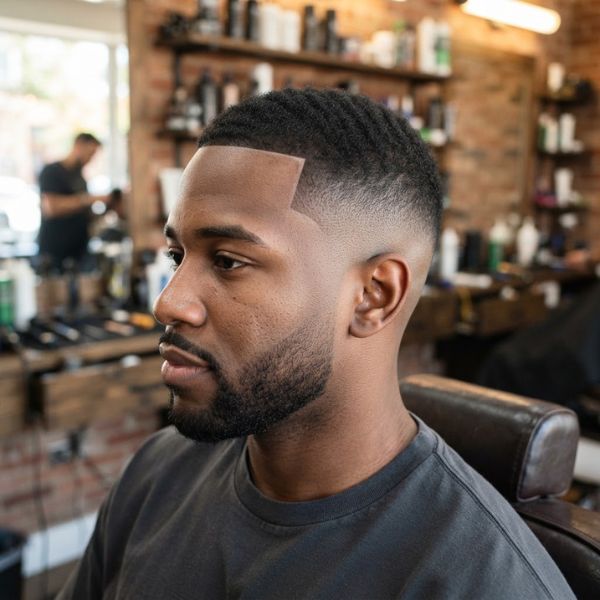
A mid buzz fade starts higher on the sides and creates more visible contrast.
It gives the short haircut a stronger modern shape without going as high as a high fade.
High Buzz Fade
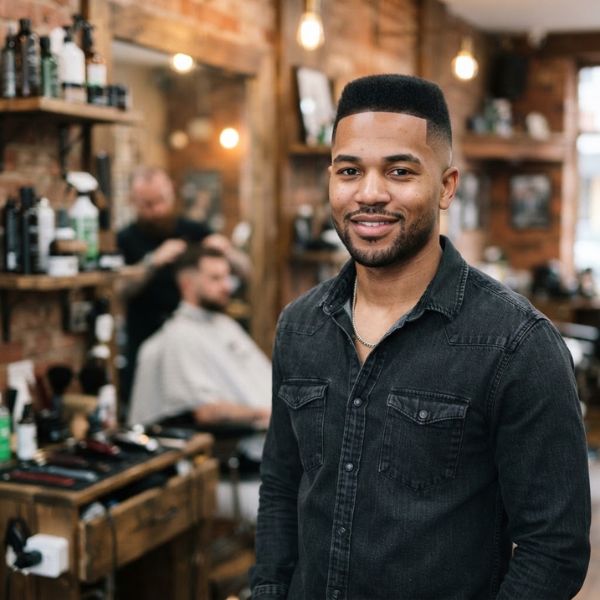
The high buzz fade removes more hair from the upper sides. The short top becomes the main focus.
This creates a bold, clean appearance and can visually add height to some face shapes.
Buzz Cut With Skin Fade
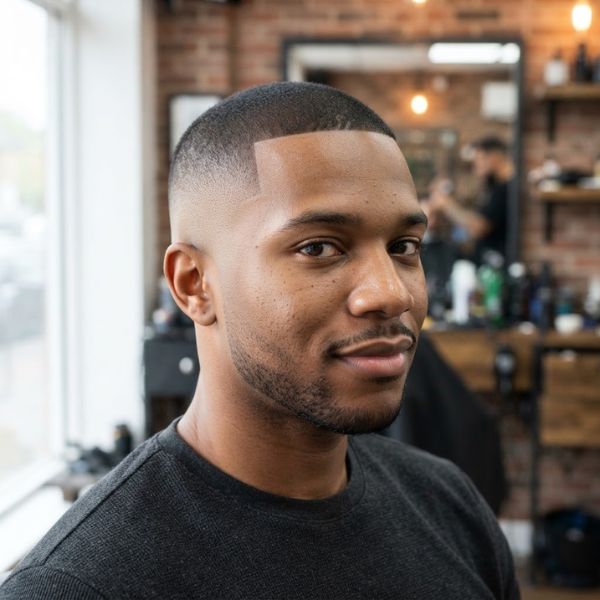
A skin fade takes the shortest section down to bare skin. The contrast between the buzzed top and skin-level sides is much stronger.
It looks particularly sharp when the fade is blended cleanly.
Buzz Cut With Taper Fade
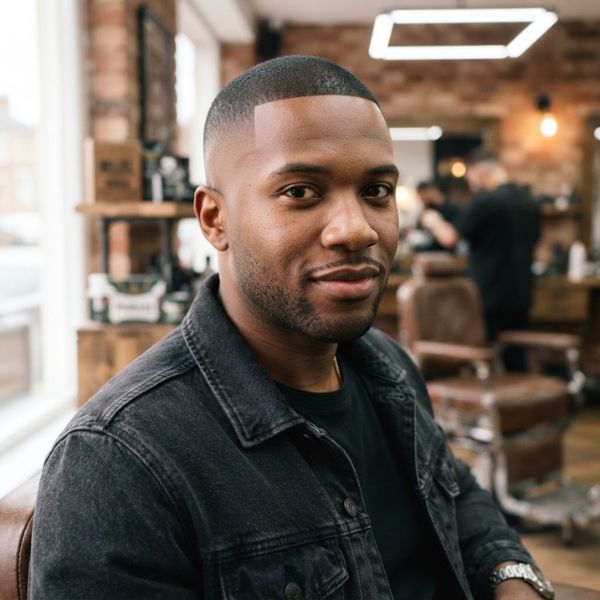
A taper focuses more on the sideburns and neckline instead of creating a broad fade across the sides.
This is ideal if you want a natural and less aggressive version.
Buzz Cut With Drop Fade
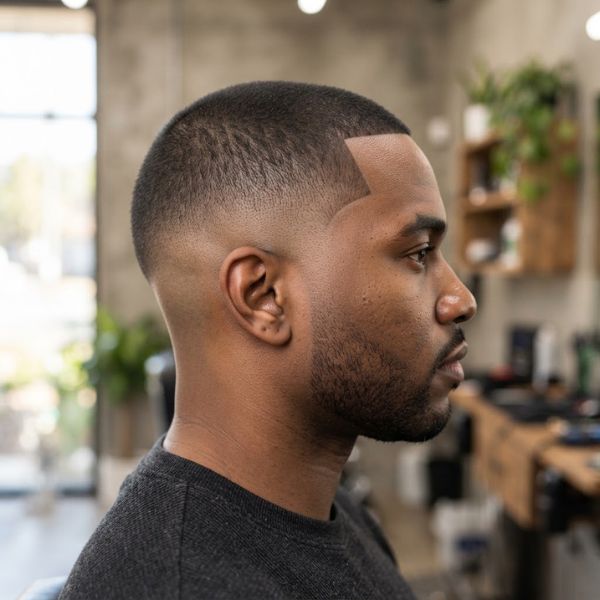
A drop fade curves downward behind the ear. It gives the back of the haircut more shape than a standard level fade.
This can be useful if you want a more distinctive silhouette.
Long Buzz Fade

A longer buzz keeps enough hair on top to show some texture and shape.
Depending on the guard system, this may fall around #4 and above. Some modern guides extend long buzz terminology considerably further, so always specify the actual length rather than relying only on the style name.
Buzz Fade With Line-Up
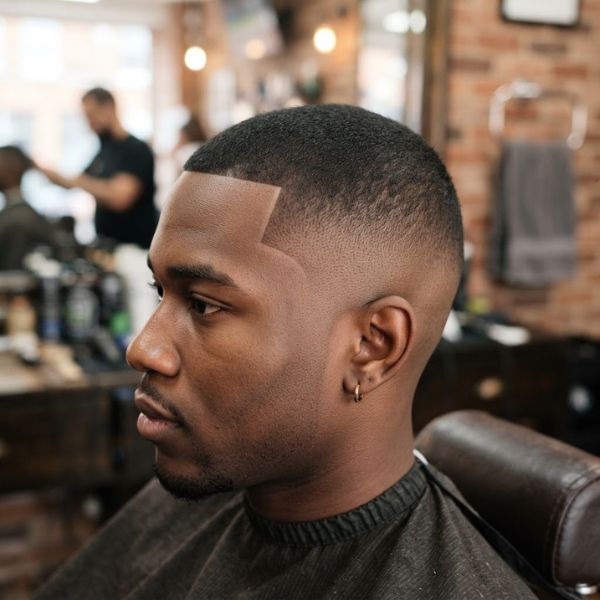
A line-up creates sharp edges across the forehead and temples.
It can make a very short haircut look especially precise, but it requires more frequent maintenance than a natural hairline.
Buzz Fade With Beard

The sides can be blended into a beard for a continuous transition from hair to facial hair.
The barber should account for beard density and growth direction when creating the connection.
Textured Buzz Fade
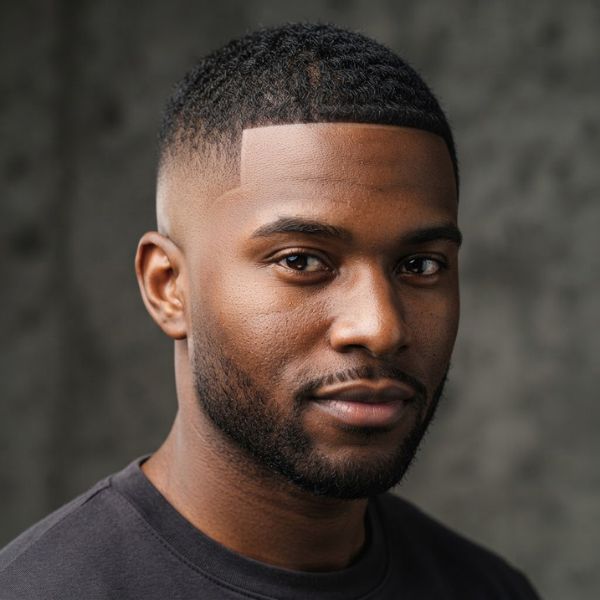
A slightly longer buzz can retain enough length for subtle texture.
This is a good alternative for someone who likes the convenience of a buzz but does not want an ultra-short military appearance.
Buzz Cut Guard Numbers Explained
The guard number determines approximately how much hair remains.
Common lengths include:
| Guard | Approximate Length | Appearance |
| #0 or no guard | Very short | Strong scalp exposure |
| #0.5 | Around 1.5 mm | Very short shadow |
| #1 | Around 3 mm | Tight buzz |
| #2 | Around 6 mm | Classic short buzz |
| #3 | Around 9 to 10 mm | Fuller buzz |
| #4 | Around 12 to 13 mm | Longer buzz |
Modern clipper guides generally place #1 around 3 mm, #2 around 6 mm, #3 around 9 to 10 mm, and #4 around 12 to 13 mm, although exact results vary by clipper, blade setting, cutting direction, and technique.
Which buzz guard should you choose?
If this is your first buzz cut, a #3 or #4 is often a safer starting point because you can always go shorter during the appointment.
Going shorter takes minutes.
Waiting for additional length takes weeks.
This is especially important if you are unsure about scalp visibility or the shape of your head.
How Short Should a Buzz Fade Be?
There is no single correct length.
Choose according to the result you want.
For maximum simplicity
Try a #2 or #3 on top.
For a fuller short haircut
Try a #3 or #4.
For a very tight look
Consider a #1 or #2.
For strong contrast
Pair a #2 or #3 top with a skin or near-skin fade.
For a softer result
Keep the fade at a #1 or #2 instead of going completely to skin.
Buzz Fade for Different Hair Types
Straight Hair
Straight hair makes the shape of a buzz fade easy to see. The barber should pay close attention to the transition and natural hairline.
Wavy Hair
Wavy hair can add texture to a longer buzz. A #3 or #4 may show more natural movement than a very short #1.
Curly Hair
Curly hair can work with a buzz fade, but shrinkage should be considered. The apparent length after cutting may be shorter than expected once the curls settle.
Coily Hair
A short buzz with a clean fade can create a very defined shape. A line-up can be added if you prefer sharper edges.
Thick Hair
Thick hair usually carries buzz lengths well and can produce a strong, even appearance.
Fine or Thinning Hair
A very short buzz can make scalp visibility more obvious. A slightly longer guard may provide more visual coverage, depending on density.
Does a Buzz Fade Suit Your Face Shape?
Unlike longer hairstyles, a buzz fade exposes much more of the head shape.
That means the skull shape, forehead, temples, hairline, and facial proportions all become more noticeable.
Oval Face
An oval face can handle most buzz fade variations.
Square Face
A short buzz can emphasize a strong jawline and naturally structured facial features.
Round Face
A slightly higher fade can create more visual height and definition, while keeping excessive side bulk under control.
Long Face
Avoid adding unnecessary height through the fade or top. A low or mid fade can help preserve visual balance.
Heart-Shaped Face
Moderate top length and a controlled fade can help balance a broader forehead and narrower chin.
What About Your Head Shape?
This is one area many haircut galleries fail to explain clearly.
A buzz fade exposes the head much more than a longer hairstyle.
Before going extremely short, consider:
- Flat areas
- Bumps
- Scars
- Cowlicks
- Uneven density
- Prominent occipital bone
- Receding temples
- Hairline shape
Current buzz-cut guidance specifically recommends considering head shape and scalp features before choosing an extremely short guard.
You do not have to avoid a buzz cut if you have these features. Simply consider starting with a longer guard.
Buzz Fade for a Receding Hairline
A buzz fade can sometimes make a receding hairline look intentional because the entire haircut is deliberately short.
However, going extremely short does not hide hair loss.
In fact, a #0 or #1 can make scalp contrast more visible.
A #2, #3, or #4 may provide a softer appearance if you want slightly more coverage.
The most important factor is choosing a length you feel comfortable wearing rather than trying to disguise the hairline completely.
How to Ask Your Barber for a Buzz Fade
Do not simply say:
“Give me a buzz fade.”
Instead, specify the top and sides separately.
For example:
“I want a #3 buzz on top with a low fade on the sides. Keep the transition smooth and leave the front hairline natural.”
For a stronger look:
“Give me a #2 on top with a mid skin fade. Keep the fade clean but do not push it too high.”
For a conservative version:
“Give me a #4 buzz on top with a low #1 fade. Keep the sides soft and the neckline natural.”
This gives the barber clear information about the two most important variables.
Should You Get a Line-Up?
A line-up is optional.
It creates a sharper geometric outline around the forehead and temples.
Choose a line-up if you want:
- A crisp appearance
- Stronger definition
- A modern barbershop finish
Choose a natural hairline if you prefer:
- A softer appearance
- Easier grow-out
- Less frequent edge maintenance
A line-up should follow the natural hairline rather than being pushed unnecessarily backward.
How Often Should You Maintain a Buzz Fade?
Because the hair is already short, even a small amount of growth can change the appearance of the fade.
A practical maintenance schedule is:
- Very short fade: every 1 to 2 weeks
- Standard buzz fade: every 2 to 3 weeks
- Longer buzz fade: around 3 to 4 weeks
Growth rate, guard length, fade height, and personal preference all affect the ideal schedule. Recent barber guides place short buzz maintenance within roughly the two to four week range, with very short versions requiring earlier refreshes.
How to Maintain a Buzz Fade at Home
The biggest advantage of a buzz fade is the minimal styling requirement.
You generally need:
- A gentle shampoo
- A suitable moisturizer
- A comb or brush if your hair is long enough
- Clippers for simple maintenance
- Scalp protection when significant skin is exposed
If you maintain the cut yourself, avoid trying to recreate a professional fade before learning how clipper guards and lever positions work.
A one-length buzz is considerably easier to maintain at home than a blended fade.
Scalp Care After a Very Short Buzz
Short hair exposes more scalp to the environment.
If your scalp is suddenly more exposed than usual:
- Use sunscreen when outdoors
- Avoid aggressive scratching
- Keep the scalp clean
- Use a suitable moisturizer if it becomes dry
- Allow irritation from shaving or clipping to settle
If you regularly experience painful bumps or persistent irritation after very close clipping, discuss the issue with a qualified healthcare professional or barber experienced with sensitive skin.
Buzz Fade vs Crew Cut
These cuts are often confused.
A buzz cut usually maintains a relatively even clipper length.
A crew cut has more length toward the front and becomes shorter toward the crown and sides.
A buzz fade combines the short buzzed top with a separate fade on the sides.
In simple terms:
- Buzz cut = short and relatively uniform
- Crew cut = graduated top
- Buzz fade = short top plus faded sides
Buzz Fade vs Buzz Taper
A buzz taper usually keeps more of the side hair intact and concentrates the shortest transition around the edges.
A buzz fade creates a broader visible gradient through the sides and back.
Choose a taper for a softer, more natural result.
Choose a fade for stronger definition.
Who Should Get a Buzz Fade?
A buzz fade is a strong choice if you want:
- Very low styling requirements
- A clean masculine appearance
- Short hair
- Easy washing and drying
- A modern barbershop finish
- Flexible fade placement
- A haircut that works in casual and professional settings
It may not be ideal if you prefer substantial styling length or want to conceal prominent scalp or head-shape features.
Common Buzz Fade Mistakes
The most common problems happen before the clippers even start.
Avoid:
- Choosing a guard number without knowing its approximate length
- Going too short on your first buzz
- Asking for a fade without specifying its height
- Forgetting to mention the desired neckline
- Assuming a #2 looks identical on every head
- Ignoring head shape
- Pushing the natural hairline backward
- Taking the fade higher than intended
- Trying to recreate a professional fade without understanding blending
Remember that the top length and fade are separate decisions.
Frequently Asked Questions:
What is a buzz fade?
A buzz fade combines a short clipper-cut top with sides and back that gradually become shorter toward the lower hairline.
What guard is best for a buzz fade?
A #2 or #3 is a common starting point, while #4 gives a fuller appearance and #1 creates a much tighter look.
Is a buzz fade low maintenance?
Yes. It requires little or no daily styling, although the fade needs regular barber touch-ups.
How often should I get a buzz fade?
Most people can refresh a buzz fade every two to three weeks, with very short fades often needing earlier touch-ups.
Does a buzz fade suit a round face?
Yes. A controlled top and suitable fade height can create additional definition around the face.
Does a buzz fade work with curly hair?
Yes. Curly hair can work very well with a buzz fade when the barber accounts for shrinkage and natural curl density.
Can a buzz fade hide a receding hairline?
It does not hide hair loss, but the intentionally short shape can make a receding hairline look more deliberate.
What is the difference between a buzz cut and a buzz fade?
A buzz cut is generally uniform or nearly uniform, while a buzz fade combines the short top with a gradual fade on the sides and back.
Should I get a line-up with a buzz fade?
A line-up is optional. It creates sharper edges, while a natural hairline gives a softer appearance and easier grow-out.
Is a #2 buzz very short?
Yes. A #2 usually leaves around 6 mm of hair, producing a short but more covered appearance than a #1.
What should I tell my barber?
Give the top guard number, fade height, shortest side length, neckline preference, and whether you want a line-up or natural hairline.
Conclusion
The buzz fade is one of the best short hairstyles for men who want a clean appearance with almost no daily styling. Its biggest advantage is customization. You can choose a #1, #2, #3, or #4 top, then combine it with a low, mid, high, taper, drop, or skin fade.
For a first buzz fade, starting slightly longer is usually the safer decision. You can always ask your barber to take more length off, but you cannot immediately add length back. The best haircut is not necessarily the shortest one. It is the one that matches your head shape, hair density, hairline, lifestyle, and comfort level.

