
A low fade is one of the most versatile men’s haircuts because it creates a clean transition without taking too much hair away from the sides. The blend begins close to the ears and neckline, leaving more length around the upper sides than a mid or high fade. That subtle placement makes this haircut suitable for casual outfits, professional environments, formal occasions, and everyday wear.
It also works with almost any hairstyle on top, from textured crops and quiffs to curls, waves, side parts, slick backs, and buzz cuts. Another advantage is customization. You can choose how short the fade becomes, how much length remains on top, and whether you want a natural or sharper finish. If you want a modern haircut that looks polished without creating an extremely dramatic change, this is an excellent style to consider.
What Is a Low Fade?
A low fade is a fade haircut where the blending begins close to the lower sides of the head, generally around the ears and continuing toward the neckline.
The important point is that low describes the placement of the blend, not necessarily how short the hair becomes.
For example, you can have a low fade that finishes at:
- #2
- #1
- #0.5
- Bare skin
This means two people can request the same haircut but receive different results if they choose different shortest lengths. Current barber guides recommend telling your barber both the fade position and the desired bottom guard.
Quick answer
A low fade starts near the ears and lower back of the head, gradually reducing the hair length toward the neckline while preserving more side volume than a mid or high fade.
Why Is the Low Fade So Popular?
The biggest advantage of this haircut is balance.
A high fade removes considerably more hair from the upper sides, while a low fade keeps more natural weight around that area. This makes the haircut look clean without completely changing the shape of your head.
It is particularly useful for people who want:
- A modern appearance
- A professional haircut
- More volume on the sides
- A subtle transition
- Flexible styling options
- A haircut that works with different textures
- Less dramatic contrast
Recent hairstyle guides also highlight its adaptability across face shapes, hair textures, and top styles.
15 Best Low Fade Hairstyles for Men
The fade controls the sides, but the hairstyle on top determines much of the overall personality of the haircut.
Classic Low Fade
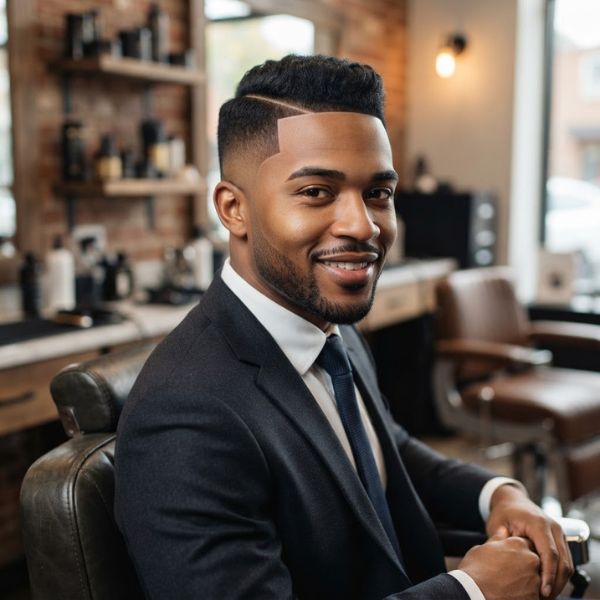
The classic version keeps moderate length on top while gradually reducing the sides toward the lower hairline.
It is an excellent everyday option because it works with both casual and professional styling.
Low Skin Fade

A low skin fade takes the shortest portion down to bare skin.
Because the skin section remains low, you get noticeable contrast without removing a large amount of hair from the upper sides.
This version looks particularly sharp with short textured hair.
Low Fade With Textured Crop
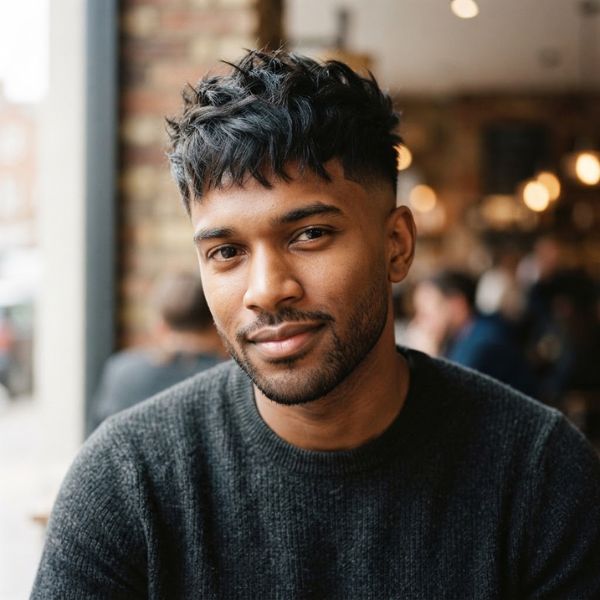
A textured crop adds movement and separation to the top while the faded sides keep the overall shape neat.
A matte clay or texture paste can enhance the separation without creating excessive shine.
Low Fade With Quiff

A quiff adds height toward the front while the faded sides keep the haircut controlled.
This combination works particularly well for men who want a stylish appearance without an extremely aggressive fade.
Low Fade With Side Part

A side part gives the haircut a traditional structure while the fade adds a contemporary touch.
It is a strong option for office environments, formal occasions, and men who prefer classic hairstyles.
Low Fade With Curly Hair

Curly hair works extremely well with a fade because the sides can be cleaned up while the natural curls remain the focus.
Keep enough length on top to allow the curls to maintain their natural shape.
Low Fade With Waves

Waves create texture across the top, while the clean sides provide contrast.
The barber should avoid taking the blend unnecessarily high because preserving some side weight can make the overall wave pattern look more balanced.
Low Fade With Fringe

A fringe creates a youthful and contemporary appearance.
You can wear the fringe straight across the forehead, textured, messy, or slightly parted depending on your hair type.
Low Fade With Slick Back

A slick back creates a more mature and polished appearance.
Keeping some side length prevents the hairstyle from looking excessively severe.
Low Fade With Pompadour

A pompadour creates significant height at the front and crown.
The cleaner sides provide contrast while the longer top becomes the main feature of the haircut.
Low Fade With Buzz Cut

Combining a short buzzed top with faded sides creates a practical haircut that requires almost no styling.
It is ideal for men who want simplicity but still want more definition than a uniform buzz cut.
Low Drop Fade
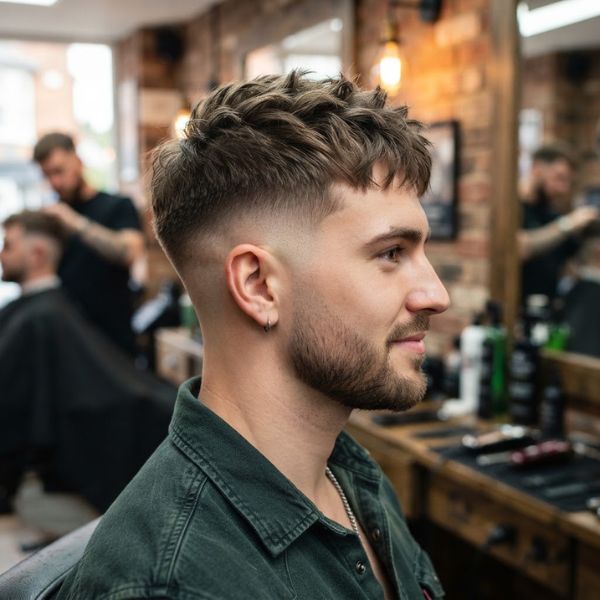
A drop fade curves downward behind the ear instead of following a relatively straight path.
This creates additional shape around the back of the head and can make a short haircut look more distinctive.
Low Fade With Long Top

Keeping more length on top gives you numerous styling possibilities.
You can switch between a messy texture, side sweep, middle part, quiff, or brushed-back finish without changing the sides.
Low Fade With Beard
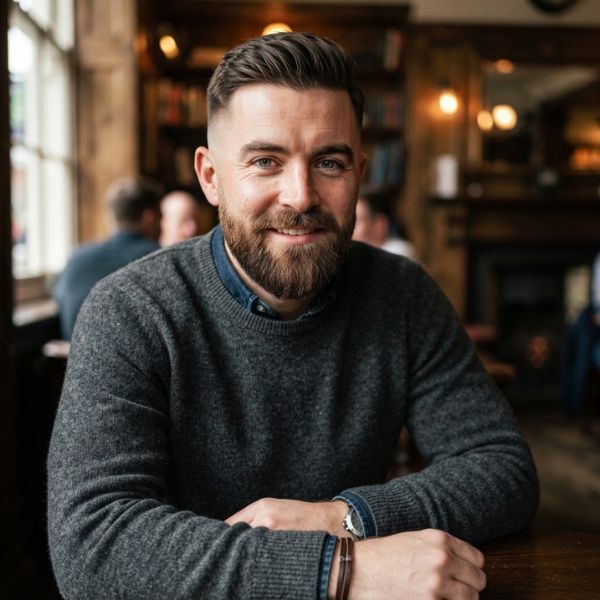
A beard can be blended into the sideburn area to create a smooth transition between the haircut and facial hair.
Tell your barber whether you want the beard connection subtle or highly defined.
Low Fade With Line-Up
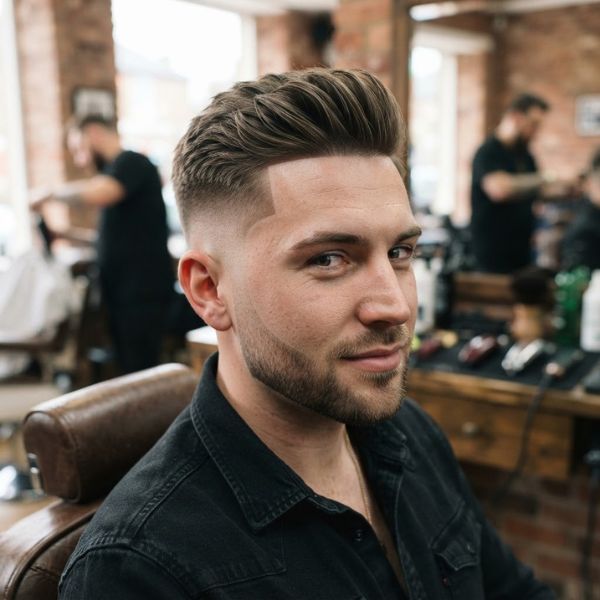
A line-up creates sharper edges around the forehead and temples.
It can make short hairstyles look especially precise, although the sharper the hairline, the more frequently it may need maintenance.
Low Fade Guard Numbers Explained
Guard numbers tell your barber approximately how short the hair should be at different points of the blend.
Common clipper lengths include:
| Guard | Approximate Length | General Result |
| #0 | Very short | Strong scalp visibility |
| #0.5 | About 1.5 mm | Very short shadow |
| #1 | About 3 mm | Tight but visible hair |
| #2 | About 6 mm | Shorter but fuller |
| #3 | About 10 mm | More side weight |
| #4 | About 13 mm | Fuller clipper length |
Exact measurements can vary between clipper brands and blade settings, so these numbers should be treated as general references rather than absolute measurements.
For example, you could ask for:
“Start the fade at #1 and blend into a #3.”
Or:
“Take the bottom to skin and blend upward into a #2.”
This is much clearer than simply saying you want your haircut “short.”
Low Fade vs Mid Fade vs High Fade
The main difference between these fades is where the shortest section begins.
| Fade | Starting Position | Appearance |
| Low | Near ears and neckline | Subtle |
| Mid | Middle of the sides | Balanced |
| High | Higher toward temples | Bold |
A low fade preserves the most side hair of the three traditional fade heights.
A mid fade creates more visible contrast.
A high fade removes significantly more hair from the upper sides and gives the haircut a stronger silhouette.
If you are getting a fade for the first time, starting with the lowest placement can be a safer choice because the change is less dramatic.
Low Fade vs Low Taper
These two styles are often confused.
A low taper mainly cleans and shortens the hair around the sideburns and neckline.
A low fade generally creates a wider blended area across the lower sides and back.
In simple terms:
- Low taper = narrower edge transition
- Low fade = broader blended section
- Low taper = more natural side coverage
- Low fade = more visible gradient
Current barber guides make this distinction because the two names can produce noticeably different results.
Best Low Fade for Different Hair Types
Your hair texture affects how the blend and top will look.
Straight Hair
Straight hair makes blending details easy to see.
A clean transition paired with a side part, textured crop, quiff, or slick back can create a polished result.
Wavy Hair
Wavy hair naturally adds movement.
Keep enough length on top so the natural waves remain visible. A messy or textured finish can work particularly well.
Curly Hair
Curly hair benefits from controlled sides while retaining natural volume on top.
Your barber should consider curl shrinkage before deciding how much length to remove.
Coily Hair
Coily and tightly textured hair can look excellent with a clean fade because the natural texture contrasts with the blended sides.
A line-up or beard connection can be added for a sharper finish.
Thick Hair
Thick hair often benefits from removing some bulk around the sides while keeping volume on top.
Textured crops, quiffs, and messy styles are particularly useful for controlling heavy hair.
Fine Hair
Fine hair requires more careful consideration.
Taking the sides extremely short can increase the visual contrast between the scalp and the remaining hair. A slightly longer shortest guard may create a softer appearance.
Which Face Shape Works Best?
One of the strengths of a low fade is its adaptability to different face shapes.
Round Face
Add controlled height and texture on top to create a more elongated appearance.
Avoid excessive width around the sides.
Oval Face
Oval faces can generally handle a wide range of styles.
You can experiment with crops, quiffs, curls, side parts, and longer textured tops.
Square Face
A square face already has strong natural angles.
A clean fade with a textured or classic top can complement the jawline without making the haircut look overly rigid.
Long or Oblong Face
Keeping more side width can help balance facial length.
Avoid excessive height on top if you want to prevent the face from appearing longer.
Heart-Shaped Face
A moderate amount of top volume combined with controlled side length can create better overall proportions.
Diamond Face
A textured top can help balance a narrower forehead and jawline while maintaining structure through the sides.
How to Ask Your Barber for a Low Fade
Simply saying “I want a low fade” may not be enough.
The word “low” tells the barber where you want the blend, but not how short the bottom should be or how much length you want above it.
A clearer request would be:
“I want the fade to start about an inch above my ears. Keep the upper sides fuller and blend from a #3 down to a #1. Leave the top around three inches and keep the neckline natural.”
If you want a skin finish, you could say:
“Keep the fade low and take the bottom down to skin, but don’t push the blend higher.”
You should also specify:
- Top length
- Shortest guard
- Fade height
- Neckline shape
- Temple shape
- Beard connection
- Natural or sharp hairline
A side and back reference photograph is especially helpful because a front-facing photo does not show the actual fade placement.
How Often Should You Get a Low Fade?
Your maintenance schedule depends on how short the fade is and how quickly your hair grows.
A useful guideline is:
- Skin finish: around 1 to 2 weeks for a very sharp appearance
- #0.5 or #1 finish: around 2 to 3 weeks
- Softer fade: around 3 to 4 weeks
- Natural grow-out: potentially longer
Recent barber resources generally place fade maintenance around the two to four week range, although a skin finish usually shows regrowth sooner.
You can also ask for a quick neckline and sideburn cleanup instead of getting the entire haircut redone.
How to Style a Low Fade
The right product depends on your top hairstyle.
For texture
Use matte clay or texture paste.
For natural movement
Choose a lightweight styling cream.
For a quiff
Blow-dry the front upward and use a small amount of styling product.
For curls
Use a curl-friendly cream or leave-in product.
For a slick finish
Use pomade or another product designed to provide control and shine.
The key is moderation. Too much product can make short hair look heavy and greasy.
Common Low Fade Mistakes
Even a simple fade can produce an unwanted result if the instructions are unclear.
Avoid these common mistakes:
- Not specifying the shortest guard
- Taking the blend too high
- Showing only a front photograph
- Removing too much side weight
- Ignoring your natural hair growth pattern
- Choosing skin when you actually wanted visible stubble
- Pushing the hairline backward
- Ignoring your face shape
- Assuming every barber interprets “low” exactly the same way
The best communication includes both placement and length.
Is a Low Fade Professional?
Yes.
Because the blend remains close to the lower sides, the haircut generally looks more conservative than a high fade.
For professional settings, you can combine it with:
- Side part
- Short crop
- Textured top
- Comb over
- Slick back
- Classic quiff
If your workplace has strict grooming requirements, check its policy before choosing a skin finish or sharp line-up.
Who Should Choose This Haircut?
A low fade is a strong option if you want:
- A clean modern haircut
- More side volume
- A subtle transition
- Easy styling
- Multiple top-style options
- Compatibility with different hair textures
- A professional appearance
- A softer grow-out than some higher fades
It may not be ideal if you want the sides extremely short all the way up toward the temples. In that situation, a mid or high fade may better match your desired appearance.
Frequently Asked Questions:
What is a low fade?
A low fade gradually reduces hair length around the lower sides and back, with the blend beginning close to the ears and neckline.
Is a low fade good for all hair types?
Yes. It can be adapted for straight, wavy, curly, coily, thick, and fine hair.
Is a low fade the same as a low taper?
No. A low taper mainly cleans the sideburns and neckline, while a low fade creates a broader gradient through the lower sides and back.
What guard should I use for a low fade?
Common shortest lengths include #0.5, #1, and #2, depending on the desired contrast and scalp visibility.
How often should I get a low fade?
Most people refresh it every two to four weeks, although skin finishes usually need attention sooner.
Can a low fade go down to skin?
Yes. You can request a low skin fade if you want the shortest section to reach bare skin.
Does a low fade suit a round face?
Yes. Keeping controlled height and texture on top can create a more balanced appearance.
Can I get a low fade with curly hair?
Yes. The fade can control the sides while preserving natural curls and volume on top.
Is a low fade professional?
Yes. Its subtle placement makes it suitable for many professional and formal environments.
Can I combine a low fade with a beard?
Yes. The sideburn area can be blended smoothly into the beard for a connected appearance.
What should I tell my barber?
Give your barber the fade height, shortest guard, top length, neckline preference, and whether you want a natural or sharp hairline.
Conclusion
The low fade remains one of the most flexible fade haircuts because it combines a clean finish with plenty of styling freedom. The blend stays close to the lower sides, allowing you to preserve more natural width while still getting the sharp appearance associated with a modern fade. It can be paired with straight, wavy, curly, coily, thick, or fine hair. You can also customize the shortest point, top length, neckline, beard connection, and overall contrast.
Before your next appointment, decide exactly how short you want the bottom and where you want the fade to begin. Bring clear side and back reference photos and tell your barber the guard numbers you prefer. That small amount of preparation can make a major difference between getting an average haircut and getting the exact style you had in mind.

